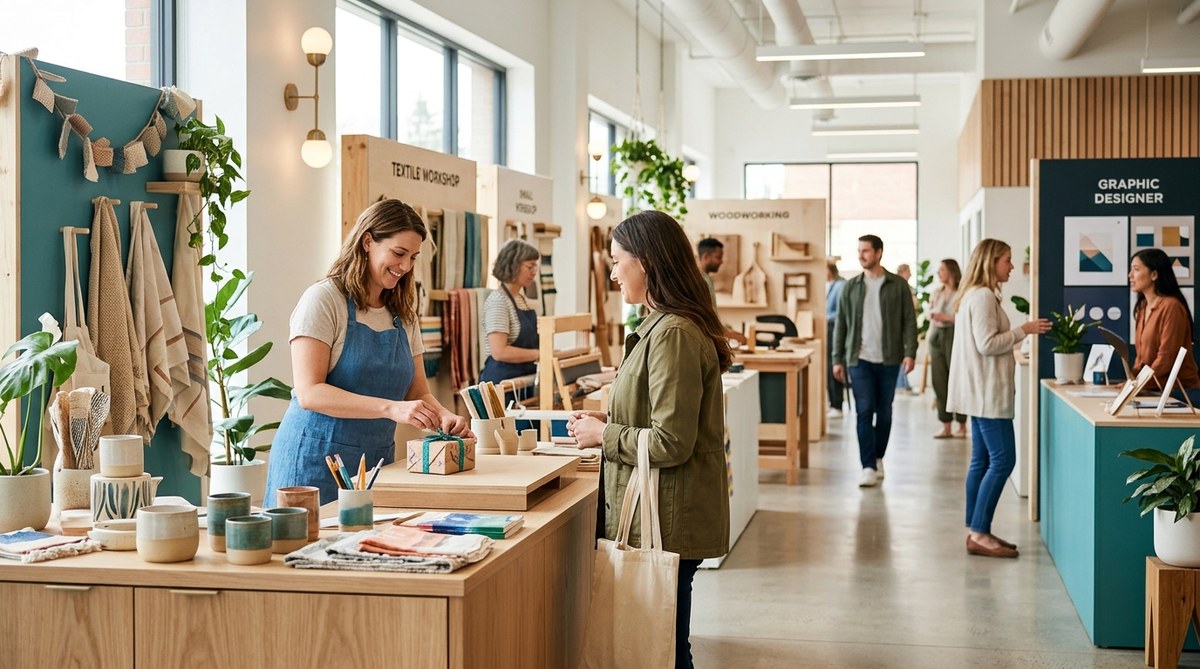
From gallery crawls to neighborhood studios, small creative businesses are the lifeblood of a vibrant community. In Iowa’s Creative Corridor, these ventures blend art, innovation, and entrepreneurship to shape local culture, create jobs, and spark new connections. Supporting them is more than a nice gesture; it is a strategic investment in the unique character, resilience, and future growth of our towns. Whether you are a resident, a local business owner, a nonprofit leader, or a city official, there are practical steps you can take today to lift up the makers, creators, and small firms that keep our streets lively and our economy diverse.
Why supporting small creative businesses matters in your community
Small creative businesses contribute far more than products and services. They seed community identity, fuel collaboration, and strengthen social ties. Here is why they deserve a central place in your development plan:
- Economic ripple effect: When you purchase from a neighborhood designer, maker, or studio, you’re supporting livelihoods and sustaining local supply chains. Employees spend money locally, which supports other nearby ventures.
- Talent retention and attraction: Creative businesses attract skilled workers, students, and families who want a place with culture and opportunity. A thriving arts and design scene helps communities compete for talent.
- Innovation and problem solving: Small studios experiment with new materials, techniques, and business models. Their risk taking often leads to new products, services, and cross sector collaborations.
- Community pride and cohesion: Regular arts events, gallery nights, and maker markets create shared experiences that bring neighbors together and reduce social isolation.
- Local resilience: Diverse small businesses diversify the economy and provide flexible employment options during economic shifts. They can adapt quickly when larger chains falter.
To make a measurable difference, align your actions with clear goals. For example, set a target to increase local shopping days, support a certain number of makers each quarter, or host monthly art and design programming that brings people into business districts.
Practical ways to show support
Here are actionable strategies you can implement with little friction and big impact. Use them individually or combine them for a sustained, community wide effort.
Shop locally and support indie creators
- Prioritize purchases from local studios, galleries, and makers instead of big box retailers.
- Buy directly from artists and makers online if you cannot visit in person, and choose the option to pick up locally when possible.
- Sign up for a monthly or quarterly “new arrival” newsletter from local shops to learn about fresh stock and limited edition releases.
- Consider gift cards or pre paid services as gifts for friends and family to keep local revenue moving.
Attend workshops, open studios, and community events
- Mark your calendar for open studio tours, gallery nights, maker markets, and artist talks.
- Bring friends and family to events to help grow foot traffic and visibility for creators.
- Volunteer at events or offer professional services pro bono to help organizers run smoothly.
- Host your own mini event in collaboration with a local creator, such as a pop up gallery in a cafe or a thematic maker night.
Collaborate with local venues and spaces
- Create joint programs with bookstores, coffee shops, libraries, and community centers that showcase local art and design.
- Set up seasonal pop ups where creators rotate in and out, keeping the space fresh and inviting.
- Partner with schools and universities to offer student exhibitions, internships, or design challenges.
- Leverage shared spaces for affordable night markets or weekend markets that encourage longer neighborhood stays.
Hire local talent and commission projects
- When you need design, branding, photography, or video work, prioritize local contractors.
- Commission public art or mural projects in business districts or at neighborhood gathering spots.
- Create a rotating artist in residence program with a local venue or business to bring fresh ideas to the community.
Share your platform and amplify voices
- Feature local creators on social media and in newsletters, highlighting the story behind their work.
- Write short profiles or interviews that explain process, materials, and inspiration.
- Curate a community directory of artists, craftspeople, and makers with links to their storefronts.
- Offer to host a virtual or in person Q and A with a local creator so audiences can learn directly from makers.
Volunteer, mentor, and teach
- Offer mentorship for aspiring artists and entrepreneurs in areas such as business planning, pricing, marketing, and customer service.
- Host workshops teaching skills like screen printing, pottery, jewelry making, graphic design, or digital marketing.
- Create a framework for ongoing mentorship circles that connect veterans of the local scene with newcomers.
- Provide pro bono professional services to help emerging creatives build sustainable businesses.
Support with time and community care
- Attend events not only for shopping but to show up for the people behind the work.
- Help with setup, breakdown, and on site logistics so events run smoothly.
- Create a buddy system to welcome first time visitors to arts districts or maker markets.
- Rotate volunteer duties among community groups to maintain momentum without overwhelming any one organization.
Creative Corridor specific tips for Iowa’s Creative Corridor
If you are part of the Creative Corridor, you already know the region is defined by collaboration across cities, universities, and cultural organizations. Here are targeted approaches to maximize impact in this landscape:
- Strengthen cross city collaborations: create a corridor wide calendar of events that links Davenport, Iowa City, Cedar Rapids, and neighboring towns. A shared digital hub helps people discover art and design happenings across the entire corridor.
- Leverage university partnerships: work with art departments, design programs, and business schools to offer student led projects that benefit local businesses, such as branding clinics, product design sprints, and market research projects.
- Build maker corridors: designate a few streets as maker zones with rotating storefronts, garage studios, and living showcases where visitors can observe the creative process.
- Elevate the storytelling of makers: publish weekly features that tell the story of a creator from concept to finished product, including materials, processes, challenges, and local sourcing.
- Invest in inclusive programming: ensure events are accessible to families, seniors, and underrepresented communities; translate materials when needed; and provide accommodations to broaden participation.
How to engage the community through events and experiences
Events are powerful because they turn passive observers into participants. Here are event formats that have proven successful for small creative businesses:
Building workshops and education programs
- Create skill building workshops that align with local maker strengths, such as painting, ceramics, screen printing, woodworking, or jewelry making.
- Host “behind the scenes” tours of studios to demystify the creative process and invite questions.
- Offer mentorship or apprenticeship sessions that pair budding artists with established makers.
- Provide family friendly classes to draw in younger families and foster a pipeline of future customers.
Collaborative pop up events
- Partner with local retailers and eateries to host pop ups that feature rotating vendors and live demonstrations.
- Use pop ups to test new products or limited edition collaborations with other creatives.
- Schedule seasonal markets that align with harvests, holidays, or community festivals.
- Ensure accessibility by choosing walkable locations and scheduling at convenient times.
Charity and fundraising drives
- Tie products or experiences to a cause and donate a portion of sales to a local nonprofit.
- Run supply drives for schools, shelters, or community centers with a creative twist such as art kits or upcycled materials.
- Launch a fundraising gallery where proceeds support youth arts programs or community centers.
Interactive local scavenger hunts and experiences
- Develop a scavenger hunt that guides participants through art spaces, studios, and coffee shops with clues tied to local history and culture.
- Offer small rewards at each stop to encourage engagement and repeat visits.
- Use the activity to drive traffic to multiple local businesses and collect feedback.
Engaging through education and support
- Create micro lectures on local art history, sustainable design practices, or entrepreneurship for a broad audience.
- Host panel discussions with local business owners about pricing, storytelling, and marketing strategies.
- Provide open office hours for aspiring creatives to ask questions and receive feedback.
Digital strategies to boost visibility and impact
In the digital age, online presence is a critical multiplier for local engagement. Use these tactics to extend reach and deepen connections:
Improve online presence and local SEO
- Update Google My Business profiles for studios and venues with current hours, events, and photos.
- Optimize event pages with clear dates, times, ticketing information, and location details.
- Create a simple, mobile friendly directory of local creators with categories and searchable metadata.
- Encourage customers to leave reviews and respond promptly to feedback.
Gift cards, subscriptions, and direct online sales
- Offer digital gift cards and subscription boxes curated from several local makers.
- Provide online store options for artwork, prints, and handmade goods with reliable shipping or local pickup.
- Promote seasonal bundles that feature limited edition items from multiple creators to boost cross selling.
Content marketing and storytelling
- Publish short features that tell the why behind a creator’s work, including materials, methods, and community impact.
- Share video walkthroughs of studios, process demonstrations, or “day in the life” formats.
- Create a quarterly highlight reel of community events and outcomes to showcase impact.
Social media and audience engagement
- Use behind the scenes content to demystify the creative process and invite questions.
- Host live Q A sessions with makers to answer audience questions in real time.
- Run social media campaigns that encourage user generated content and community tagging.
- Highlight local venues and non profits alongside makers to reinforce a sense of shared community.
Case studies and practical examples you can adapt
While each community is unique, these proven approaches can be tailored to fit your local context:
- Case study style pop up: A cafe hosts a monthly art market featuring different makers, with a portion of proceeds going to a neighborhood improvement project. The result is more foot traffic, cross promotion, and a tangible community benefit.
- Studio crawl: A series of studios opens their doors for one evening with live demos, studio sales, and kids art activity stations. Local restaurants provide pop up food stands, creating a full night out that showcases multiple businesses.
- Maker mentorship circle: Season long mentorship pairing aspiring designers with established professionals who meet monthly to review work, discuss pricing, marketing strategies, and business planning.
- Arts district scavenger hunt: A city or neighborhood designs a scavenger hunt across art spaces, galleries, and craft shops with small rewards at each stop and a grand prize to drive continued exploration of the district.
Getting started: a 6 step plan
- Step 1: Map your local creative assets. List studios, galleries, makerspaces, universities, and cultural nonprofits in your area.
- Step 2: Set clear community goals. Do you want to increase foot traffic, drive sales, grow subscriptions, or expand access to arts programming?
- Step 3: Build a cross sector coalition. Include business associations, schools, libraries, and local government in your planning.
- Step 4: Create a simple events calendar. Plan quarterly themes that tie to seasons, holidays, or local history and ensure there are inclusive, family friendly options.
- Step 5: Launch a starter program. For example, a monthly maker night with a rotating set of creators and a small audience engagement activity.
- Step 6: Measure and adapt. Track attendance, sales, social media metrics, and community feedback to refine the approach.
Tips for implementation:
– Start small and scale up. A single event or pop up can become a recurring program if it resonates with the community.
– Involve youth and schools. Young creators can inject energy and ensure sustainability for years to come.
– Prioritize inclusive access. Provide signage and programming in multiple languages if needed, and ensure ADA accessibility at events.
Measuring impact and adjusting strategy
To ensure your efforts are making a difference, track a few core metrics and gather qualitative feedback:
- Foot traffic and event attendance: count visitors, unique participants, and repeat attendees.
- Sales and merchant sentiment: monitor vendor revenue, product variety, and seller feedback.
- Online engagement: track likes, comments, shares, and new followers tied to specific events or campaigns.
- Community feedback: collect surveys at events and through digital channels to learn what worked and what could be improved.
- Local partnerships formed: count new collaborations with businesses, schools, nonprofits, and media outlets.
- Media and visibility: monitor mentions in local outlets and social media reach of campaigns.
Regularly review these metrics with your coalition and adjust the program mix to emphasize the most impactful activities.
Conclusion: your next steps to strengthen the Creative Corridor
Small creative businesses are more than independent shops; they are the storytellers, educators, and job creators who shape the daily experience of our communities. By choosing to shop local, participate in events, and actively partner with makers, you help sustain a thriving ecosystem that benefits everyone.
If you are ready to begin, here is a quick starter kit you can deploy this month:
- Host a pilot maker night at a local cafe or library, featuring two or three makers and a simple workshop.
- Publish a short feature on one local artist or studio in your newsletter or social channels.
- Create a small cross district collaboration with another town in the Creative Corridor to run a joint event series.
- Launch a digital gift card drive that supports multiple creators at once, with clear local pickup options.
- Gather a diverse group of residents to plan a quarterly arts and culture intervention in the most walkable districts.
Together we can build a more connected and creative community. By supporting small creative businesses in the Creative Corridor, we invest in culture, opportunity, and a vibrant tomorrow for Iowa. If you would like to learn more or collaborate on a local initiative, reach out through CreativeCorridor.co and let us help you design a plan that fits your community’s unique strengths and needs.